TetraKits
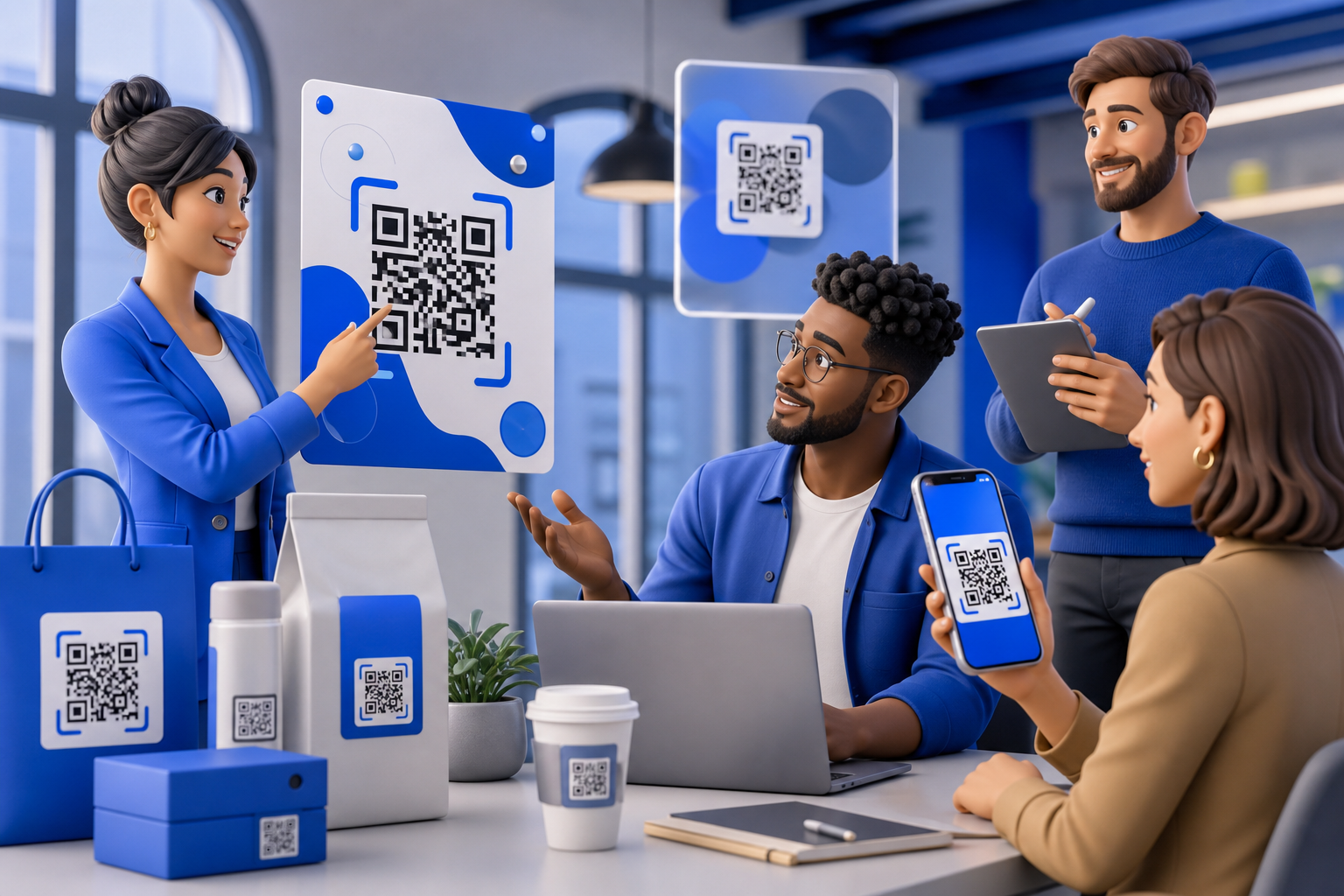
QR code marketing connects physical touchpoints to digital outcomes: a menu to an order page, a poster to a signup form, packaging to a how-to video. After years of awkward implementations, today’s phones scan codes natively, users understand the gesture, and brands can deploy codes in minutes without agency fees.
This guide covers practical QR code marketing strategies for retail, restaurants, events, and product brands — plus design rules that improve scan rates, ways to think about return on investment, and free TetraKits tools including the QR Code Generator, Barcode Generator, and QR Code Scanner.
Why QR code marketing works in 2026
Modern QR campaigns succeed because friction dropped. Camera apps decode codes automatically, mobile networks handle rich landing pages, and consumers expect digital follow-ups from offline ads. For marketers, QR codes offer:
- Instant action: No typing URLs on glass keyboards.
- Contextual relevance: Scan while looking at the product, not hours later from memory.
- Flexible destinations: Link to offers, apps, WiFi, contact cards, PDFs, or videos.
- Low production cost: Generate and test codes before print deadlines.
The brands that struggle with QR marketing usually treat codes as decoration — small, unlabeled, pointing to generic homepages. The brands that win treat each code as a call to action with a single, obvious job.
Campaign ideas by industry
Strong QR campaigns start with a specific user outcome, not “drive traffic.” Below are proven patterns you can adapt.
Product launches
Print QR codes on shelf talkers linking to demo videos, comparison charts, or email capture for launch-day discounts. Use unique URLs or UTM parameters per retailer to compare performance.
Events and conferences
Replace printed schedules with codes linking to live agendas, session feedback forms, or LinkedIn connection pages. Place codes on stage slides for audience polls.
Direct mail and packaging
Codes on boxes can register warranties, show recycling instructions, or unlock loyalty points. Direct mail pieces benefit from offers that expire — urgency increases scans.
Out-of-home advertising
Transit ads, billboards, and bus shelters work when the landing page is mobile-first and loads in under three seconds. Deep links to app stores or maps outperform generic websites.
Internal enablement
QR codes are not only customer-facing. Warehouse teams scan codes for pick lists; retail staff scan for planogram updates. Pair product barcodes from the Barcode Generator with customer QR experiences on the same label when regulations allow.
Retail and restaurant strategies
Retail and hospitality were early QR adopters during the shift to contactless menus. The lesson learned: convenience alone is not enough — value must be visible.
Restaurants
Digital menus remain popular, but the best implementations add ordering, allergen filters, or wine pairing suggestions. Table tents with “Scan for tonight’s specials” outperform codes hidden in corner graphics. For takeout bags, link to review pages or loyalty programs while the meal is still warm.
Retail stores
Use QR codes for endless-aisle experiences: scan a display model to see colors online, check store inventory, or book fittings. Window codes after hours can promote next-day appointments or ecommerce bundles.
Pop-ups and seasonal shops
Temporary locations benefit from codes because staff training time is short. One well-labeled QR linking to FAQs reduces repetitive questions and frees employees for sales.
Design and scan-rate tips
Beautiful marketing fails when codes do not scan. Follow these design principles before approving print files.
Contrast and quiet zone
Dark modules on light backgrounds perform best. Maintain a clear margin around the code — never overlay logos inside the data area. If you invert colors for brand reasons, test extensively on iPhone and Android.
Size for context
Minimum 2 cm square for hand-held materials; larger for posters and billboards based on viewing distance. A code on a highway billboard must be enormous to work at speed — many OOH QR campaigns fail on size alone.
Clear calls to action
Replace “Scan me” with outcome language: “Scan for 15% off,” “Scan to join WiFi,” “Scan for assembly video.” Users hesitate on ambiguous codes.
Brand customization without breakage
The TetraKits QR Code Generator supports color tweaks while preserving scannability. Export SVG for crisp large-format print. Before final production, decode test files with the QR Code Scanner to confirm payloads match intent.
Measuring ROI on QR campaigns
QR codes are not magic analytics devices by themselves — measurement comes from what happens after the scan.
Trackable destinations
Use unique landing URLs with UTM parameters for each placement: poster A vs. poster B, window vs. receipt. Analytics platforms attribute sessions to those tags even though the QR is offline.
Conversion metrics that matter
Scans alone are vanity metrics. Track email signups, purchases, appointment bookings, or video completion rates. Compare cost per acquisition against other channels serving the same goal.
Testing before print
Print is expensive to fix. Generate codes early, paste them into proofs, and scan from mock viewing distances. For PDF-based campaigns, compress final assets so mobile landing experiences stay fast after the scan.
Iterate quarterly
Swap stale destinations without redesigning entire creatives when possible — dynamic short links help, but even static QR campaigns benefit from seasonal offer updates on the same printed code if the URL redirects responsibly.
Your QR marketing toolkit
TetraKits bundles the utilities marketers need without subscription lock-in:
- QR Code Generator: URLs, WiFi, vCard contacts, text, and more — unlimited, in-browser, no watermark.
- QR Code Scanner: Verify codes from proofs, emails, or competitor materials before you ship creative.
- Barcode Generator: Add retail barcodes for packaging and inventory alongside consumer-facing QR experiences.
QR code marketing is no longer experimental — it is a standard bridge between offline attention and online conversion. Lead with user value, design for reliable scanning, measure outcomes instead of scans, and use free tools that respect privacy. That combination delivers campaigns that feel modern without draining budget on per-code fees or enterprise suites you do not need yet.
Frequently asked questions
Do QR codes still work for marketing?
Yes. Native camera support and familiar user behavior make QR codes effective for menus, packaging, events, and retail displays. Success depends on clear calls to action, mobile-friendly landing pages, and adequate print size — not on the novelty of the format.
How big should a QR code be on a poster?
Scale to viewing distance. For handheld posters, at least 2–3 cm square is a baseline. For wall-mounted or distant viewing, increase size so the modules remain resolvable by phone cameras. Always test from the farthest expected scan distance.
Can I track scans from a printed QR code?
QR codes do not embed analytics by themselves. Use trackable URLs with UTM parameters or dedicated landing pages per placement, then read performance in your web analytics tool.
Should I use QR codes or barcodes on product packaging?
Often both serve different jobs. Retail barcodes (EAN, UPC) identify products at checkout; QR codes link consumers to rich content. Generate barcodes with the Barcode Generator and marketing QR codes with the QR Code Generator.
Are free QR generators good enough for professional campaigns?
Yes, when they offer high-resolution exports, privacy-friendly local processing, and no arbitrary scan limits. TetraKits is built for professional print and digital use without signup walls or watermarks.